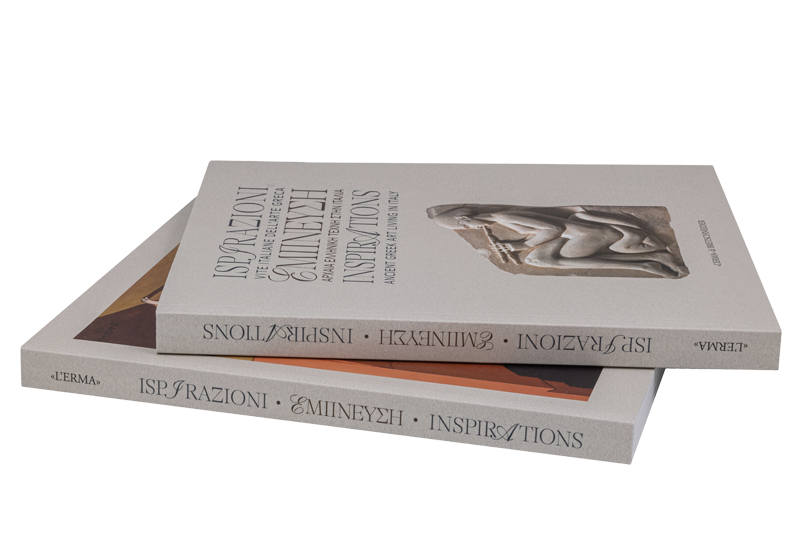


“Graecia capta ferum victorem cepit” — Horace
“Captive Greece captured her savage conqueror.” With these words, the poet Horace accurately described the fascination that ancient Greek civilization exerted upon the Romans. Art, literature, philosophy, and education inspired Roman society and profoundly shaped it, resulting in the creation of the Greco-Roman civilization, essentially the foundation of Western civilization on a global scale.
This influence proved decisive from the very beginnings of the relationship between the Greeks and the peoples of the Italian Peninsula, Etruscans, Latins, and others, as well as, naturally, with the peoples of Sicily and southern Italy, where important Greek settlements and colonies were established.
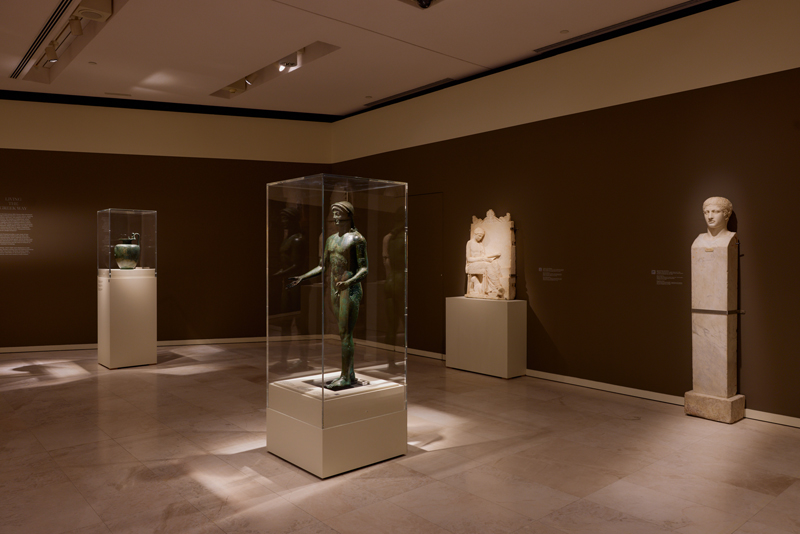
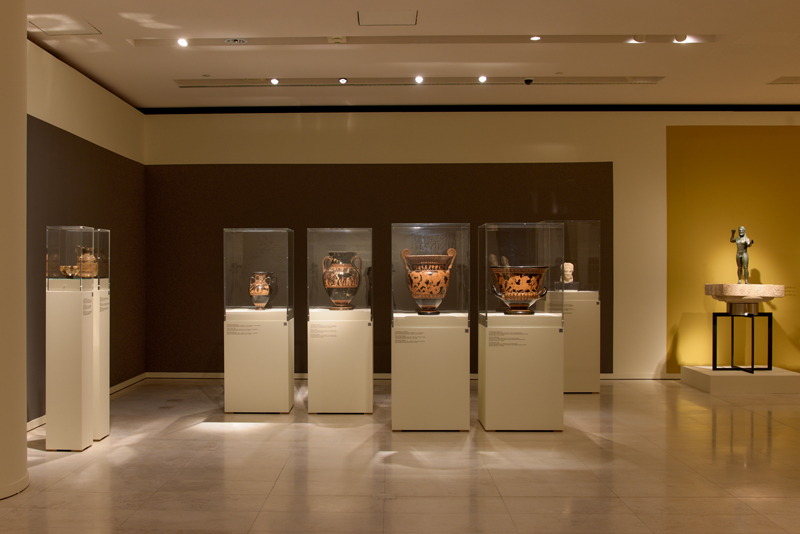
The Exhibition focuses primarily on the Art and the influence of the ancient Greek Art on Roman civilization until the 20th century. Thirty eight masterpieces in ceramic, bronze, and marble, unique works that are not exported from the Museums of Italy, comprise this Exhibition, which is organized into seven Sections:
Section I – Before Rome: Greek Merchants and Etrusco-Italic Aristocrats
Section II – Artists in Magna Graecia
Section III – The Sea as an Archive
Section IV – The Romans’ Greece
Section V – Living the Greek Way
Section VI – The Aristocratic Collecting of Modern Era
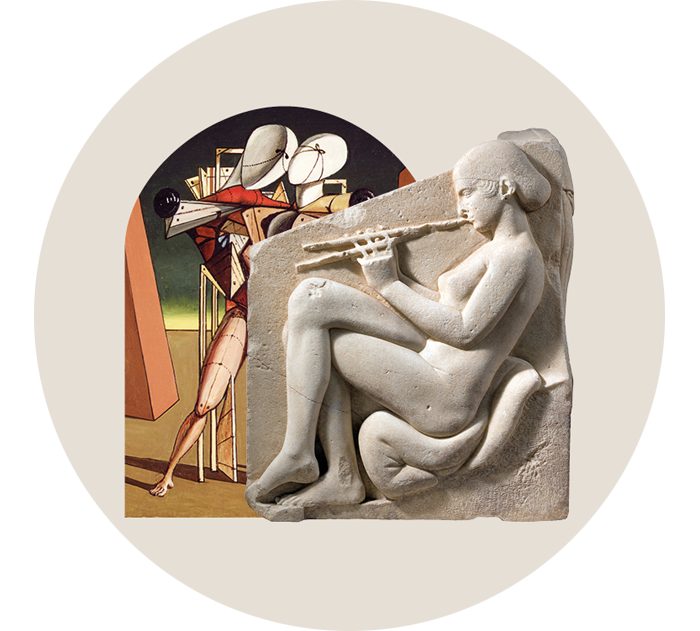
Section VII – Italian Looks: Canova, Savinio, de Chirico
A unique exhibition of inspiration, a gift and a collaboration between Italy and Greece.


EXHIBITION INFORMATION
DURATION
LOCATION
Temporary Exhibition Gallery, Museum's ground floor
TICKETS
Entrance to the exhibition is free. A free admission ticket is required from the Museum Ticket Desk.
Group visits (16 to 30 persons) can be arranged by sending a request at [email protected].
LANGUAGES
Greek, Italian and English signage with the possibility of scanning QR codes for additional information on each exhibit.
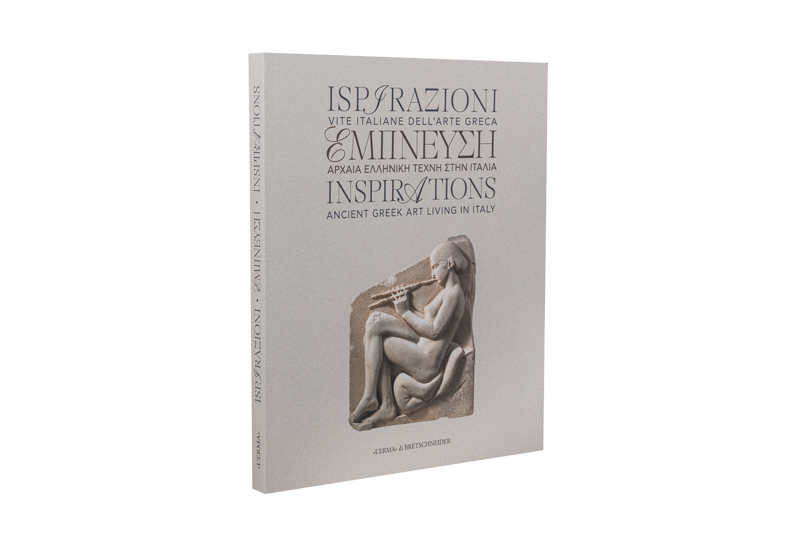
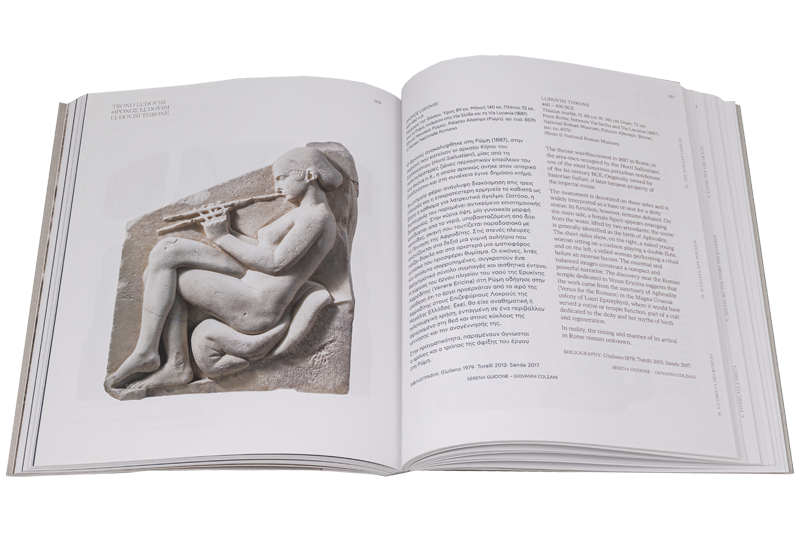
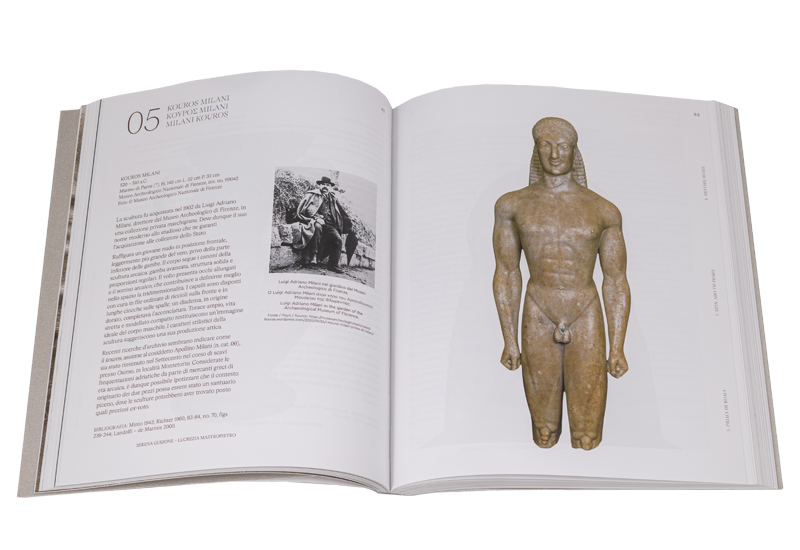
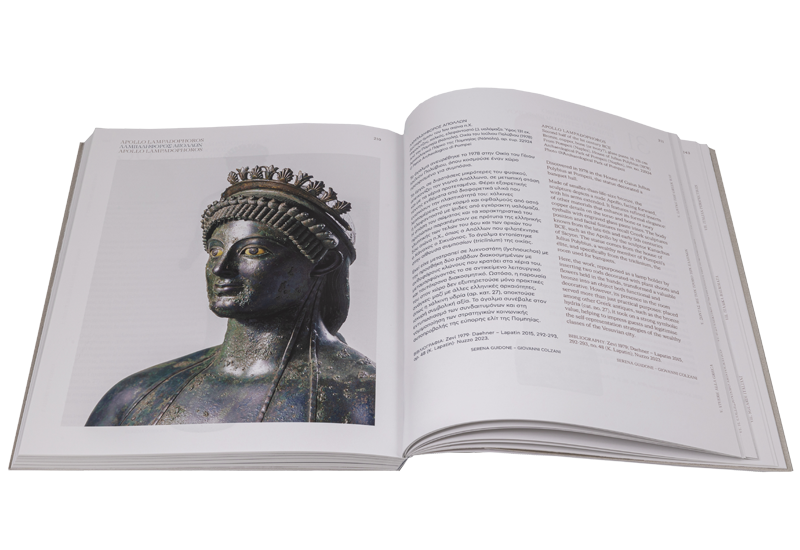
Scientific catalogue in Greek, Italian and English.
VIDEO
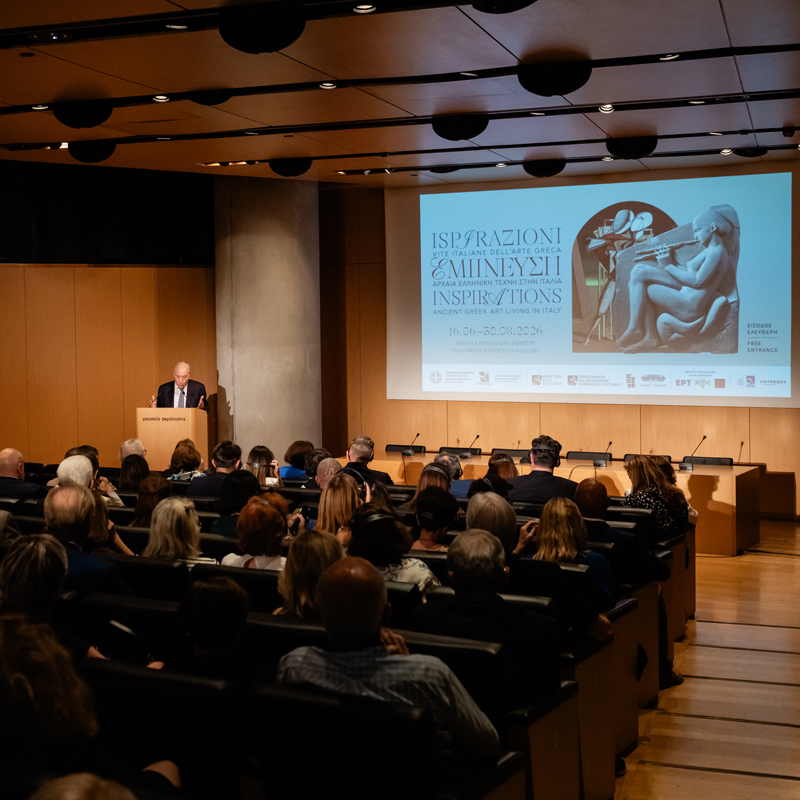
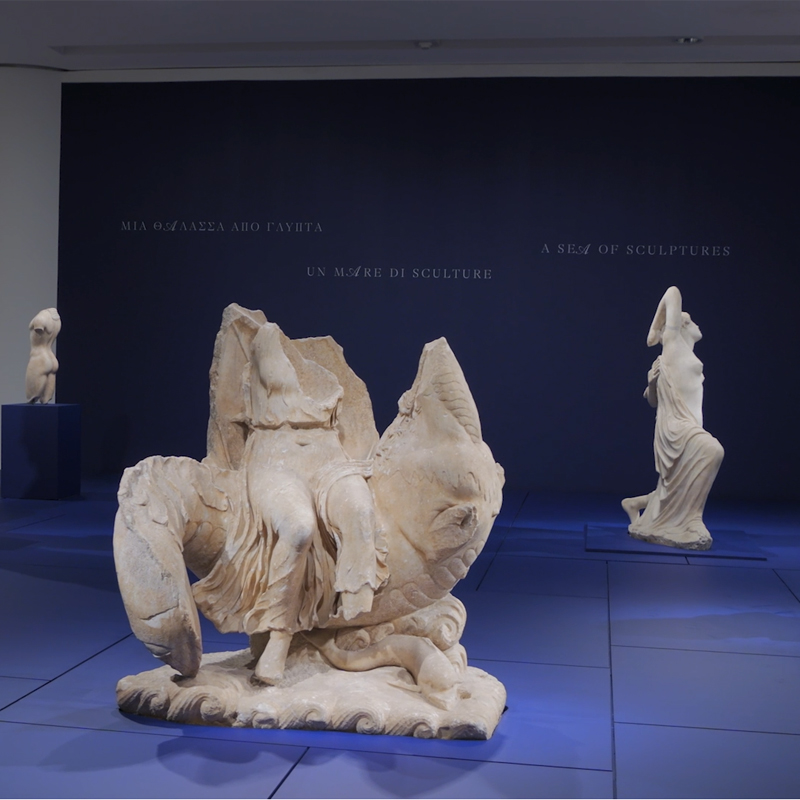


EXHIBITION AREAS
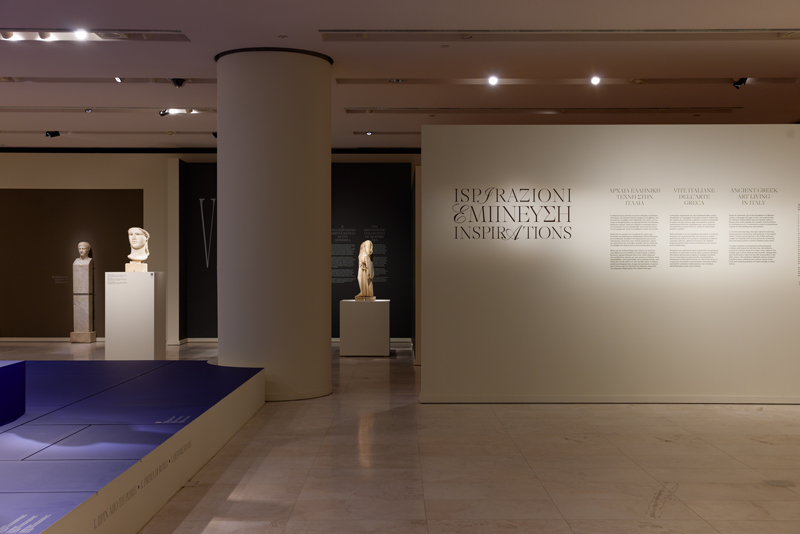
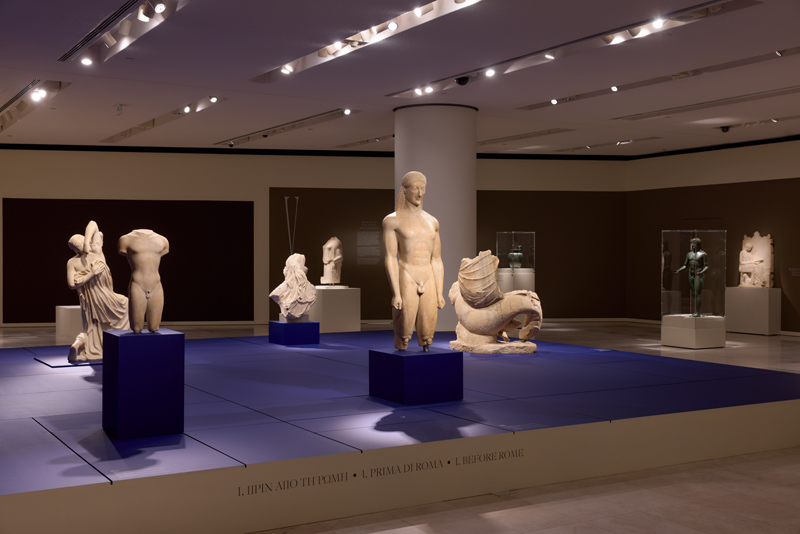
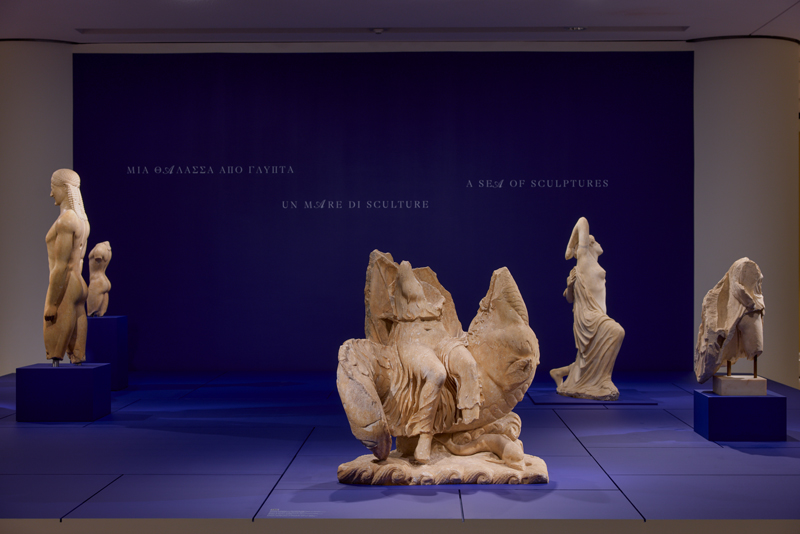
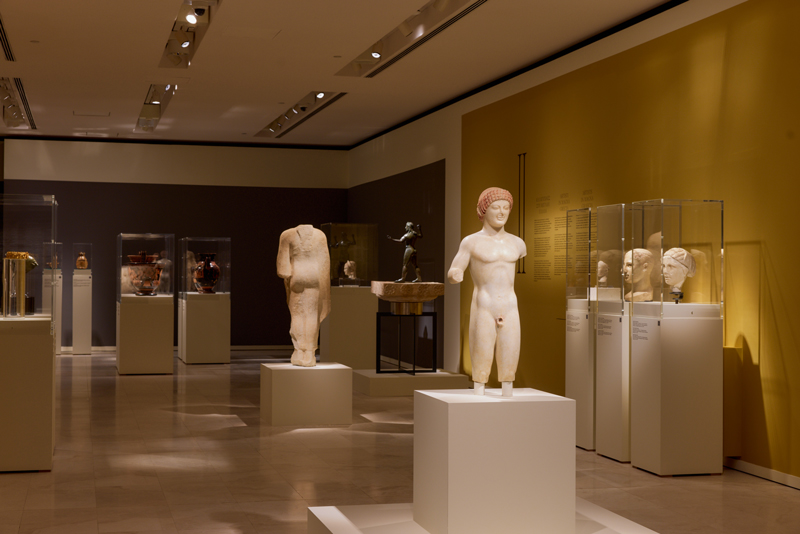
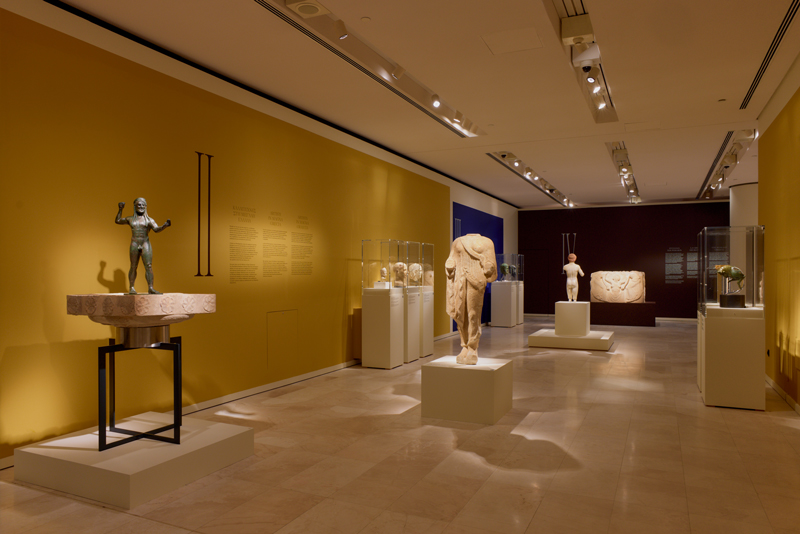
GALLERY TALKS
Join the Museum’s archaeologists on a guided tour among thirty-eight masterpieces in ceramic, bronze, and marble, unique works which are travelling outside Italy for the first time. The Exhibition is organized into seven Sections, and the antiquities are arranged in such a way as to highlight the development of ancient Greek art in Italy as a complex procedure of multiple forms of cultural exchanges.
USEFUL INFORMATION
• July: Friday 3/7, Saturday 4/7, Friday 10/7, Saturday 11/7, Friday 17/7, Friday 24/7, Sunday 26/7 and Friday 31/7.
• August: Friday 21/8, Saturday 22/8, Friday 28/8, Saturday 29/8 and Sunday 30/8.
• September: Wendesday 2/9, Thursday 3/9, Friday 4/9, Saturday 5/9 and Sunday 6/9.
All presentations start at 18:00.
• July: Wednesday 1/7, Wednesday 8/7, Wednesday 15/7, Wednesday 22/7 and Wednesday 29/7.
• August: Wednesday 19/8 and Wednesday 26/8.
All presentations start at 18:00.
Group bookings (10 - 30 visitors) are made only through email request at [email protected].
Presentations are carried out with the use of whisper guide system headsets provided at the Information Desk after delivering temporarily an official identification document (Identity Card, Passport or Driver's License).
acropolis museum shops
Before you leave the Museum, we invite you to visit the Museum shop on the ground floor, where you will find the exhibition catalogue available in Greek, Italian, and English.